

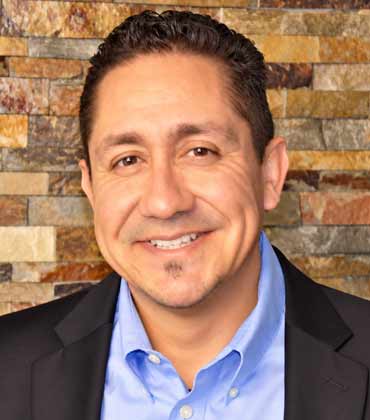
Raymundo Sidon
Aligning People Strategy With Business Needs
My experience across biotechnology, automotive electronics, and manufacturing has shaped my belief that effective HR leadership extends beyond managing people and policies. It requires understanding the business, developing talent, and creating an environment where employees and organizations thrive together.
Each industry presents unique challenges, from regulatory requirements and technological innovation to operational efficiency, workforce development, and global competition. These experiences have taught me that successful leadership consistently depends on people, accountability, adaptability, and execution.
I approach HR with a business-first mindset and a people-centered philosophy. HR must serve as a strategic partner, anticipate organizational needs, develop strong leaders, foster trust and accountability at every level, and deliver measurable results.
Ultimately, there is no one-size-fits-all approach to HR leadership. Sustainable success comes from understanding business needs, embracing change, and aligning talent with organizational strategy.
Building Business Confidence Through Transparent Leadership
I believe business performance and employee confidence are fundamentally connected. Organizations perform best when employees understand business goals, trust leadership, and recognize how their contributions influence success.
Complex decisions require balancing financial objectives, operational demands, measurable risks, and the human impact of change. My approach involves understanding business realities, evaluating consequences for employees, and making decisions grounded in integrity, fairness, and long-term sustainability.
Transparency, communication, and accountability are essential. Employees may not always agree with decisions, particularly during periods of uncertainty, but they deserve honesty, respect, and confidence that leadership is acting responsibly. How decisions are implemented matters as much as the decisions themselves. Engaging leaders, listening to employees, and communicating clearly strengthen organizational resilience.
Ultimately, my responsibility as an HR executive is to support sound business decisions while preserving employee trust, dignity, and engagement. Strong business results sustain organizations, while employee confidence helps sustain performance over time.
Building Trust Through Leadership And Shared Purpose
Strong organizational culture is not created through policies, programs, or statements alone. It is built through leadership, reinforced by accountability, and sustained through everyday actions at every level, from the company president to a new hire.
Throughout my career across multiple industries, I have learned that successful organizations ensure employees understand not only their responsibilities but also why their contributions matter. My approach begins with aligning organizational values, leadership behaviors, and business objectives. HR must work closely with executives, understanding their priorities and translating business strategy into people strategies that employees can embrace and execute.
Leadership development is particularly important because culture often reflects leadership behavior. When leaders demonstrate integrity, communicate openly, recognize contributions, and hold themselves accountable, they establish a foundation of trust, performance, and mutual respect.
Equally important is creating an environment where employees feel valued, heard, and connected to a shared purpose. Consistent communication, meaningful development opportunities, and employee involvement help people understand how their efforts contribute to organizational success.
Culture must also evolve with the business. As organizations grow, innovate, and navigate change, HR leaders must continually assess whether people strategies support operational needs and long-term objectives.
Ultimately, I view culture as a business advantage, not simply an HR initiative. When employees trust leadership, believe in the organization's direction, and understand their role in achieving success, alignment becomes a shared commitment. By building trust, developing leaders, strengthening accountability, and connecting people to purpose, organizations establish a lasting foundation for sustainable business performance.
“HR Must Serve As A Strategic Partner, Anticipate Organizational Needs, Develop Strong Leaders, Foster Trust And Accountability At Every Level, And Deliver Measurable Results.”
Investing In Talent To Strengthen Organizational Performance
Career and organizational development are essential to building a capable, engaged workforce prepared for evolving business demands. I believe sustainable success comes from investing in talent while continuously strengthening organizational capabilities.
Career development helps employees expand their skills, pursue professional growth, and envision a future within the organization. When personal aspirations align with business direction, engagement, commitment, and performance improve.
Organizational development ensures leadership capabilities, structures, talent strategies, and processes support immediate priorities and long-term objectives. This includes succession planning, leadership development, performance management, and fostering continuous improvement.
I view talent development as a business investment, not simply an HR responsibility. Organizations that prioritize internal growth strengthen leadership pipelines, improve retention, preserve institutional knowledge, and build resilience.
HR leaders must collaborate with business leaders to anticipate workforce needs, address capability gaps, and create meaningful development opportunities. Ultimately, career development strengthens individuals, while organizational development strengthens the business. Aligning both prepares organizations to deliver today's results and achieve tomorrow's success.
Turning Shared Ownership Into Lasting Results
I believe effective leadership begins with recognizing that organizational and employee success is interconnected. Sustainable results emerge when business objectives align with employees’ capabilities, needs, and aspirations, supported by strategic recruiting and talent development.
Creating win-win outcomes requires trust, transparency, collaboration, and accountability. Leaders must listen, consider different perspectives, make informed decisions, and communicate with integrity. Although not every decision will satisfy everyone, each should reflect fairness, respect, and longterm business priorities.
Throughout my career, I have found that empowering leaders, encouraging open dialogue, and promoting shared ownership strengthen engagement and execution. Recognition must accompany accountability so employees understand their responsibilities and the value of their contributions.
Sustainable performance also requires succession planning, adaptability, and balancing immediate priorities with long-term workforce stability. Ultimately, leadership means creating an environment where people and business performance reinforce one another. By leading with purpose, investing in talent, and delivering results, organizations build lasting success and earn their employees’ trust and commitment.
